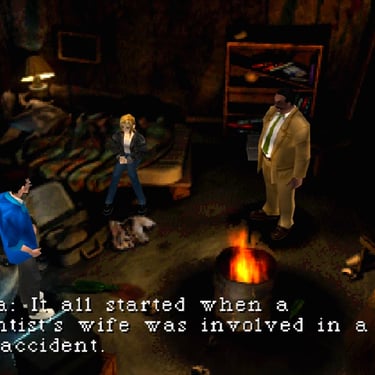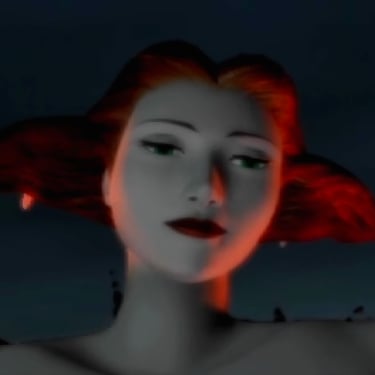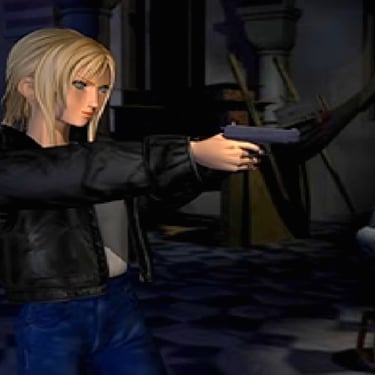
RETRO REBOOT | Parasite Eve (Sony PlayStation)
Aya Brea's very bad week
RETRO REBOOT
"ColonelFancy" Mike Lind
4/28/20265 min read

Developer: Square
Published by: Square
Release date: March 29th, 1998 (JP), September 10th, 1998 (NA)
By the mid-90's, producer Square was leading the charge of breaking Japanese role-playing games beyond its golden years of the 16-bit era into general popularity, with that cart being pulled by the Final Fantasy horse. The general reception of Final Fantasy VI (known as III here in the States) was a flagship title for the Super Nintendo, the PlayStation becoming a household name at rapid speed made the groundbreaking Final Fantasy VII the poster child for what RPGs at the time aspired to be (for both good and bad reasons). It did speed up the Renaissance of the genre, and Square themselves layed out a roadmap detailing the aggressive move to push more RPGs. I wasn't a huge Final Fantasy player at the time, but I loved RPGs like Lunar: The Silver Star, Shining Force, Ultima, and Chrono Trigger, so seeing the growing general reception and MORE of these games on the way, I was excited.
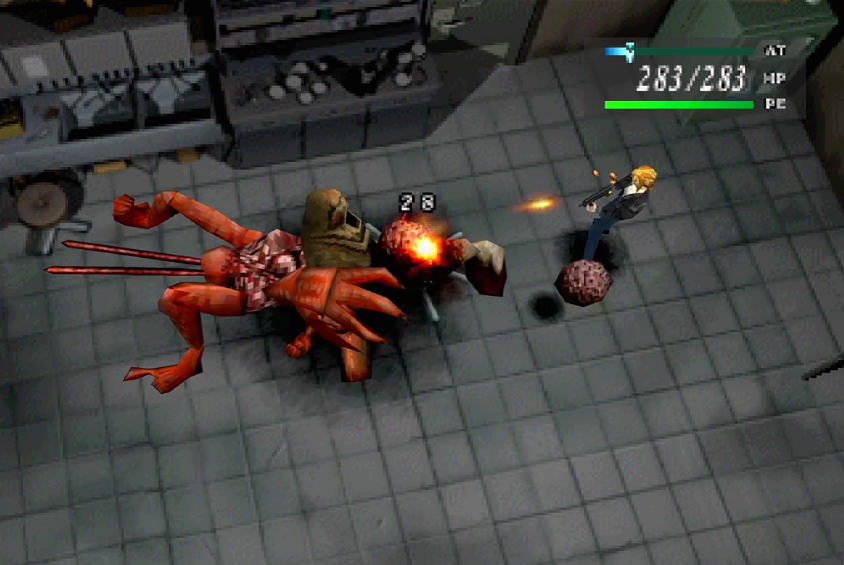
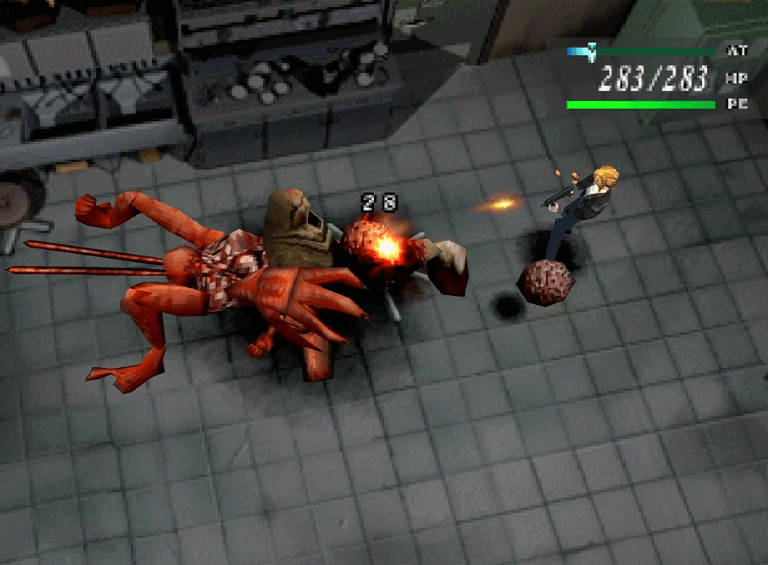
Sorry, sorry. I can get over indulgent when reminiscing about this portion of game history. Directed by Takashi Tokida (Live A Live, Oninaki), Parasite Eve was a visual contrast to the sprawling mythos and rolling hills of what people would expect from a prototypical role-playing game around this time, opting to place the scenery in the bustling modern infrastructure of New York City, specifically Manhattan. It's a strong coincidence that the release of this timed with the growing popularity of the newly christened survival horror genre Resident Evil established several years prior, as Parasite Eve's tone is rather foreboding and haunting, as the opening scenario sets the tone.
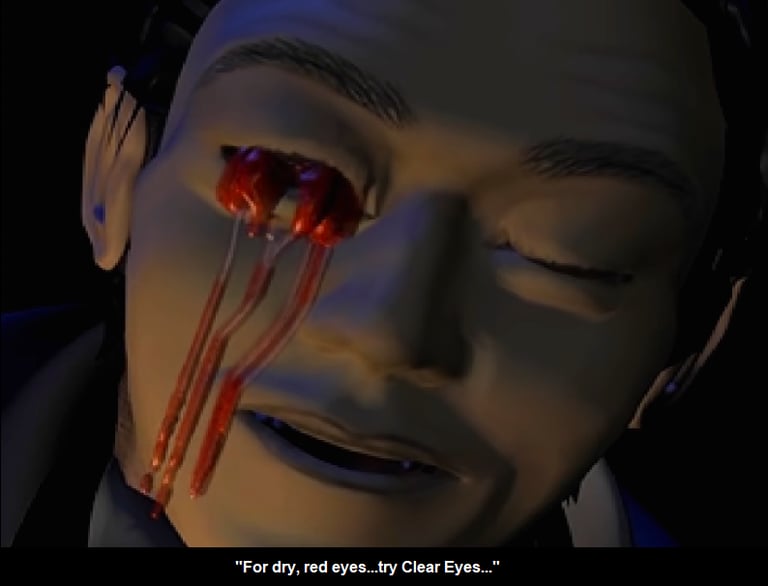
You play as Aya Brea, a strong-willed cop who finds herself pestered on a date to an opera at Carnegie Hall headlined by Melissa Pearce, who. During the performance, Melissa's mitochondria began to respond to Aya's, as they were link by her sister Maya's DNA due to the kidney Melissa received when she was 12 (it's a little complex, and probably requires reading the novel, which predates the events transpiring in the game). The awakening causes the performers on stage and most of the audience to melt into goo and combust in what was a pretty gruesome scene for the scene for the time. Aya, her date, and Melissa are among the few survivors.
It's artistically a very visceral cut sequence. While Resident Evil borrowed more influence and pays greater homage to George A. Romero's zombie film series, Parasite Eve is directly in line with Japanese horror, which certainly hits differently. It's a little more methodical and the shock moments have a subtle build, which can even be felt in video game formant. Admittedly, it was a culture shock.
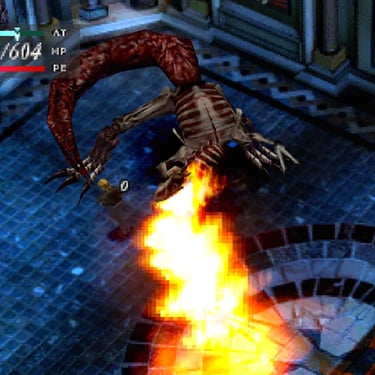
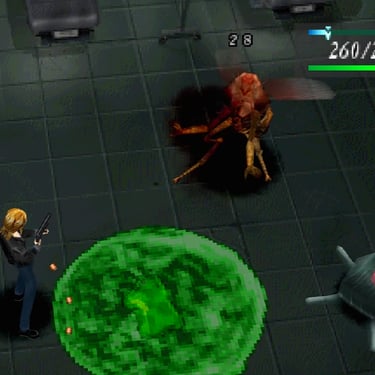
The combat and controls in Parasite Eve is solid. Utilizing Square's Active Time Battle system, which works more real time in turn-based scenarios, Aya single-handedly takes on creatures with conventional guns and sidearms. As her mitochondrial abilities expand, she also gains use of more magic-based abilities ("Parasite Energy") to aid her in fights, like Haste spells and healing spells. Moving about freely on the battle map until the ATB bar fills before you can use abilities places a unique strategy, as some weapons and spells are dictated by a range meter. It has strong implications for which enemies you fight, as awaiting you next turn for attack leaves Aya the ability to dodge. Timing is of the essence. It feels easy at first, but can get really tough in later fights, and the EX game mode Chrysler Building challenge. Despite not having a party to level up and train, there's a plethora of options, skills, and customization that keeps the action interesting.
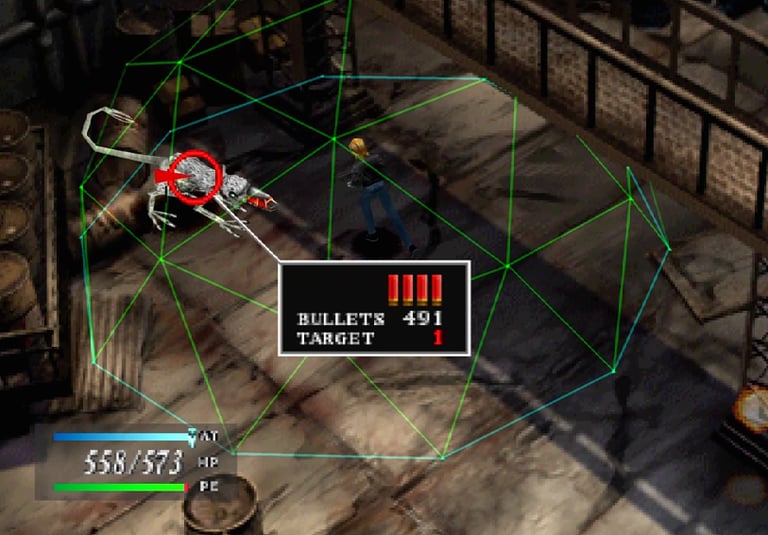
The downside is Parasite Eve's general movement; the maps may be relatively small, compared to the sprawling locations that were becoming commonplace in RPGs. But it's a very SLUUUUUUUUUUGISH game when traveling about. The opening scenario has Aya bedecked a tight evening gown with high heels. She spends the entire game running around like she's still wearing that outfit. I can understand a methodical pace, I love the first Silent Hill for some of those reasons. It can feel like it takes forever to get to some locations.
The audio production and OST is fantastic. Composed by veteran pianist Yoko Shimomura (Xenoblade Chronicles, Kingdom Hearts, Street Fighter II), the game blends eerie orchestral overtunes with kind of a synthwave reverb that accompanies the everpresent chilling atmosphere.
The positive reception to Parasite Eve is one of those pillar titles that cemented the rise of JRPGs (yes, I'll continue to use that term, SquareEnix. It's only a pejorative if you're ashamed of it). The battle system is rewarding and satisfying, the music is great, the chilling aura of the narrative makes for an evocative experience. The bonus game content is quite progressive for the time period. The story feels like there's a lot of context missing (perhaps some day I should see if there are any international distributions of the 1995 novel), and it can be rather dry in tone. Aya as a protagonist is a pretty interesting character. She has quite a sardonic side to her, something that drew me to characters like Claire Redfield.
Overall, Parasite Eve may have a tough time breaking its way into my top 90's RPGs (the competition is quite staggering), but it's a pretty good game with a fascinating narrative that is a unique detour in tone.
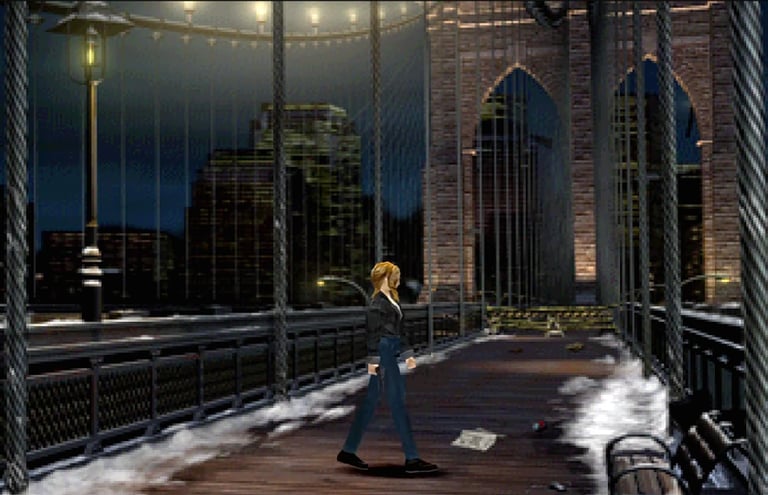
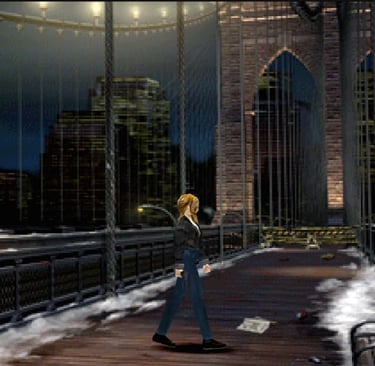
The visuals are quite good. I'll talk occasionally about how software from the fifth generation show their age the hardest. But if there is one graphical style I'll always love is 3D character models against 2D hand drawn backgrounds. It was such a unique and eye-catching technique that didn't last very long, as 3D rendering was gradually improving going into the later part of the 90's. So it's very striking and still stands out to me. The establishing shots of Manhattan look genuinely incredible, locations are spot on. The character models have a good amount of expression to them. Between this and the at the time in-development Final Fantasy VIII, some Square games were experimenting with more realistic proportions as time went on. I didn't care for some of the designs in FFVII, but Tetsuya Nomura pretty much nailed the looks for Aya and Eve. They're relatively iconic, when it comes to Square's legacy IPs. I'm willing to give credit where it's due, not giving him too much leeway. He butchered Musashi...